BestHeadphonesFor
Quiz

Over-Ear vs In-Ear Headphones

Not sure which headphones? Take our 60-second quiz

Quick Answer

Over-ear headphones (Sony WH-1000XM5, $398) win on sound quality and comfort for long sessions. In-ear earbuds (Apple AirPods Pro 2, $249) win on portability and exercise use. Bone conduction (Shokz OpenRun Pro 2, $180) wins on situational awareness. Your best choice depends on where and how you listen.

How We Score

Sound quality, portability, comfort, noise isolation, use-case fit.

Top 3 Picks

Sony WH-1000XM5
1Over-ear wireless ANC

Sony WH-1000XM5

Sony

9.4/10

$398

The consensus best overall headphone. Outstanding ANC, 30-hour battery, comfortable for glasses wearers, and excellent call quality. The do-everything pick.

Pros:
  • + Industry-leading ANC
  • + 30-hour battery life
  • + Exceptional call quality with AI noise reduction
  • + Multipoint Bluetooth
  • + Speak-to-Chat auto-pause
Cons:
  • - Premium price
  • - Doesn't fold flat like XM4
  • - Bass can overpower at default EQ
Check Price on Amazon
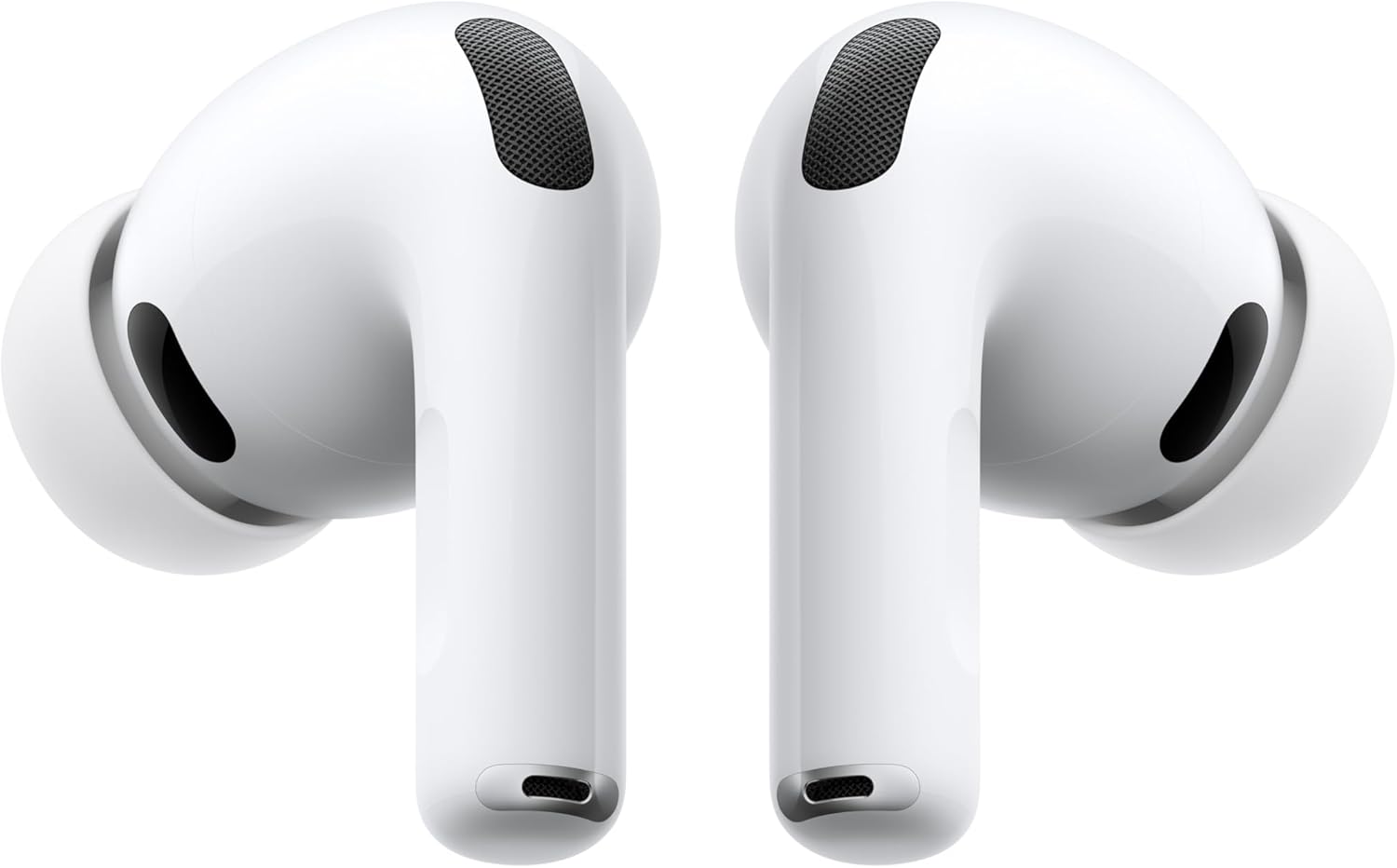
Apple AirPods Pro 2
2In-ear wireless ANC

Apple AirPods Pro 2

Apple

9.3/10

$249

Best overall earbuds that double for running. Adaptive transparency, hearing aid functionality (FDA-cleared), and seamless Apple integration. Premium pick for iPhone users.

Pros:
  • + FDA-cleared hearing aid functionality
  • + Adaptive Audio adjusts to environment
  • + H2 chip for seamless Apple pairing
  • + Excellent ANC for earbuds
  • + Find My with precision finding
Cons:
  • - Only AAC codec (no LDAC)
  • - Best features require iPhone
  • - Silicone tips may not fit all ears
Check Price on Amazon
Shokz OpenRun Pro 2
3Open-ear bone conduction

Shokz OpenRun Pro 2

Shokz

9/10

$180

Bone conduction + air conduction hybrid that keeps ears completely open for traffic awareness. IP55 waterproof with 12-hour battery. The standard for serious runners.

Pros:
  • + Ears stay completely open for safety
  • + IP55 waterproof
  • + 12-hour battery
  • + Bone + air conduction hybrid
  • + Allowed in most organized races
Cons:
  • - Sound quality can't match traditional earbuds
  • - Bass is limited by design
  • - Noisy environments overpower the audio
Check Price on Amazon

What to Know

Choosing between over-ear, in-ear, and bone conduction is the first decision you need to make. Everything else (wireless vs wired, ANC vs passive) comes after.

**Over-ear headphones** sit around your ears with large earcups. They have bigger drivers (40-50mm vs 6-12mm in earbuds), which means more air to move and better bass response. Soundstage is wider, comfort is better for multi-hour sessions, and passive noise isolation from the earcups is substantial. The trade-off: they are bulky, hot in warm weather, and mess up your hair.

**In-ear earbuds** sit inside your ear canal. They are pocketable, invisible at a distance, and work with any hairstyle or hat. Modern earbuds like the AirPods Pro 2 pack ANC, transparency mode, and spatial audio into a package smaller than a coin. The trade-off: smaller drivers mean less bass impact, ear canal fatigue sets in after 2-3 hours, and ear tip fit is critical.

**Bone conduction headphones** bypass your ears entirely, transmitting sound through your cheekbones. Your ears stay completely open for traffic awareness, conversations, and ambient sound. The Shokz OpenRun Pro 2 is the gold standard. The trade-off: sound quality is noticeably behind both over-ear and in-ear, and there is zero noise isolation. They excel for outdoor exercise and situational awareness.

When to choose each

Over-ear for home listening, studio work, gaming, or office use. In-ear for commuting, travel, and workouts. Bone conduction for running, cycling, and any situation where hearing your surroundings is essential.

Sound Quality: Over-Ear Wins, But the Gap Is Shrinking

Over-ear headphones deliver better sound quality at every price point. Larger 40-50mm drivers move more air, produce deeper bass, and create a wider soundstage. The Sony WH-1000XM5 sounds noticeably better than the AirPods Pro 2 in side-by-side listening. But the gap has narrowed dramatically. Premium earbuds now have multi-driver setups and advanced DSP that close the distance. For casual listening, most people cannot tell the difference. For critical listening, mixing, or audiophile use, over-ear remains essential.

Comfort and Long Sessions

Over-ear headphones distribute weight across the headband and around (not on) your ears. Most people can wear them for 4-6 hours without fatigue. In-ear earbuds create pressure inside the ear canal. After 2-3 hours, many people feel discomfort or the urge to remove them. Bone conduction headphones are the lightest option and cause zero ear fatigue, though the contact points on your cheekbones can become noticeable after a few hours. If you listen for long stretches at a desk, over-ear wins on comfort. If you listen in short bursts while moving, earbuds are more practical.

Portability and Daily Carry

Earbuds fit in a pocket. Over-ear headphones need a bag or hang around your neck. This is the single biggest practical difference. If you commute by public transit, earbuds slip in and out of your pocket seamlessly. Over-ear headphones require a case or folding mechanism. The Sony WH-1000XM5 folds flat, but it still takes up far more space than an AirPods Pro 2 case. For travel, earbuds save significant luggage space.

Frequently Asked Questions

Are over-ear headphones better than earbuds?
Over-ear headphones deliver better sound quality, more comfort for long sessions, and stronger passive noise isolation. Earbuds are more portable, better for exercise, and more discreet. Neither is objectively better. Choose based on your primary use case.
Do earbuds sound as good as over-ear headphones?
At the same price, over-ear headphones sound better due to larger drivers and wider soundstage. However, premium earbuds like the Apple AirPods Pro 2 ($249) and Sony WF-1000XM5 sound excellent for casual listening. Most people only notice the difference during critical or extended listening.
Are bone conduction headphones worth it?
Bone conduction headphones are worth it if you need to hear your surroundings while listening to audio. They are ideal for runners, cyclists, and anyone working in environments where awareness is critical. Sound quality is below over-ear and in-ear options, so they are not ideal for music-focused listening.
Which headphone type is best for the gym?
In-ear earbuds are best for gym use. They stay in place during movement, resist sweat (look for IPX4+), and fit under hats or helmets. Over-ear headphones work for weightlifting but get hot and can shift during cardio. Bone conduction is excellent for outdoor runs but overkill for indoor gym use.

Related Guides

Still deciding?

Answer 4 questions and get a personalized recommendation.

Take Our 60-Second Quiz